
What Motivation Really Is — and What It Isn’t
Start Your Journey With Us Now Call 304-270-8179 or Click HERE to text with us
Written By: Undefeated Healthcare Editorial Team
Reviewed By: Chase Butala MS LPC, LCPC
3/17/2026
What Motivation Really Is — and What It Isn’t
Listen up. If you’re waiting for a "feeling" to strike you before you finally go to the gym, fix that leak in the bathroom, or apply for that executive role in Baltimore, you’re going to be waiting a long time. In fact, you’re probably going to die waiting.
At Undefeated Healthcare, we deal with reality. And the reality is that most of what you’ve been told about motivation is a lie designed to sell you overpriced planners and "inspirational" posters of kittens hanging from branches. Let’s break down the science of why you’re stuck and how to actually move the needle.
The Glossary of Get-Off-Your-Butt
Before we dive into the deep end, let’s define the terms so we’re all speaking the same language.
Intrinsic Motivation: This is the drive that comes from within. You do it because the task itself is the reward. Think of a craftsman in Morgantown, WV, who spends ten hours on a wood carving just because he loves the smell of cedar.
Extrinsic Motivation: This is the "carrot and stick." You do it for the paycheck, the praise, or to avoid getting chewed out by your boss in Tysons Corner.
Dopamine: The "reward" chemical. Most people think it’s released when you finish a task, but science shows it’s actually released in anticipation of a reward. It’s the "go-get-it" molecule.
Amotivation: This isn't just being lazy. It’s a total lack of intent to act, often found when people feel like they have zero control over their outcome.
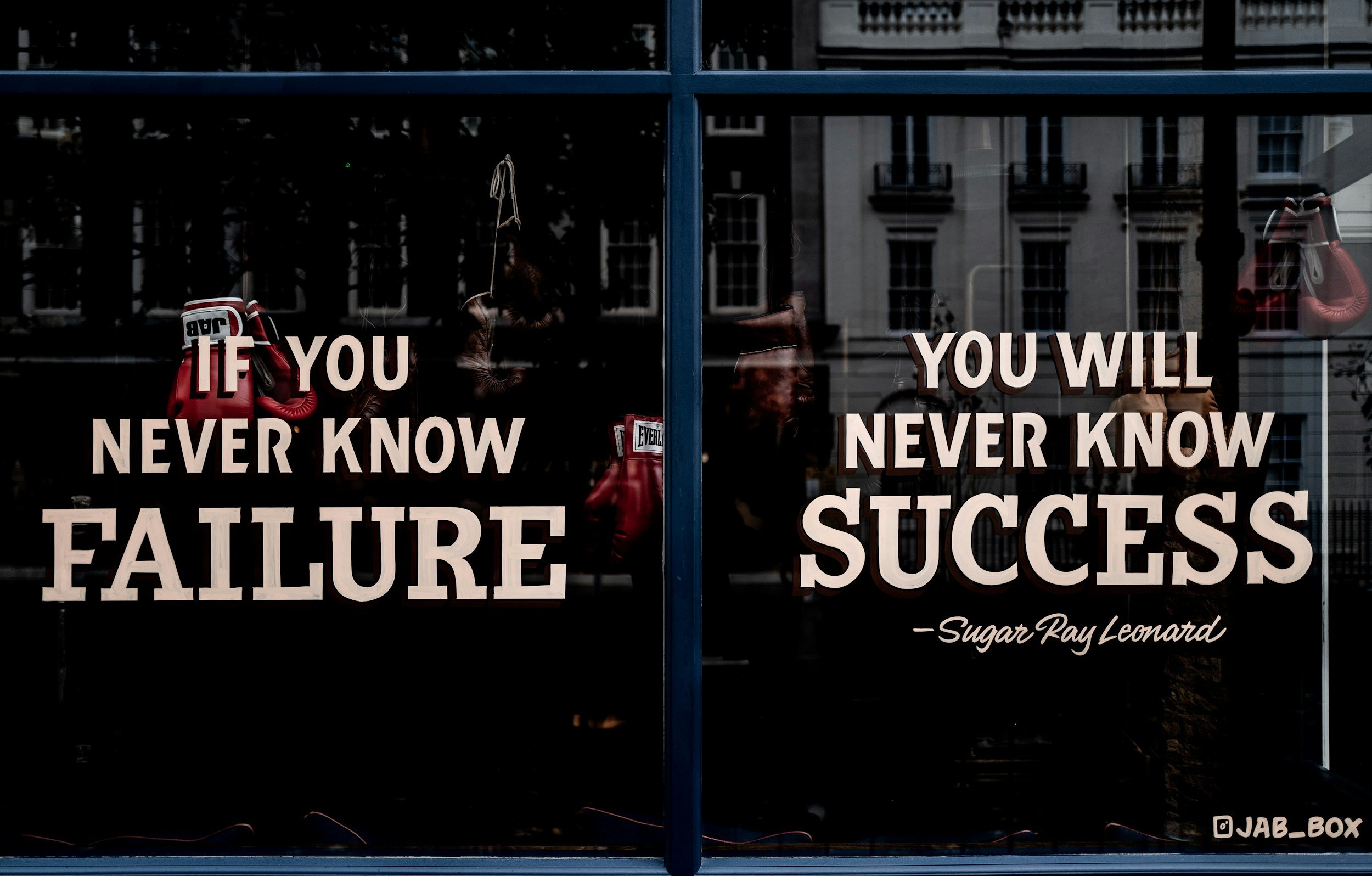
Misconceptions: Why Your "Spark" is a Myth
The biggest lie out there? That motivation is a prerequisite for action.
People think it goes: Motivation → Action → Result. Wrong. If you live your life based on how you "feel," you are a slave to your moods. If a therapist in Virginia specializing in motivation issues tells you to wait until you’re "ready," find a new therapist.
The real cycle—and the one backed by neurobiology—is: Action → Success → Motivation.
When you do something, no matter how small, your brain registers a "win." That tiny hit of dopamine creates the desire to do it again. Action is the spark that starts the fire; it is not the result of the fire. As Harvard psychologist Jerome Bruner famously suggested, you are more likely to act your way into a new way of feeling than feel your way into a new way of acting.
Men vs. Women: The Battle of the Drive
We look at drive differently. It’s not sexist; it’s just how the wiring often manifests in our current culture.
Motivation at Work vs. Home
Men often derive their identity from external conquest. In the workplace—whether you’re a lawyer in Richmond or a tech lead in Bethesda—motivation is often tied to status, hierarchy, and "winning."
But the home? That’s where many men stall out. Why? Because the rewards at home (doing dishes, folding laundry, emotional labor) aren't "conquests." They are maintenance. Women often view motivation through the lens of relational health and "the big picture" of the household, while men often need a "mission" to feel motivated.
If you’re a guy in Alexandria who can lead a team of fifty but can't find the drive to mow the lawn, it’s because you haven't framed your home life as a mission. You’re looking for a "win" where you should be looking for "stewardship."
The Dark Side: When "Lazy" is Actually Depression or Codependency
Let’s get serious for a second. There is a difference between being a procrastinator and having a clinical issue.
Depression: If you’re in Charleston, WV, and you literally cannot get out of bed, that isn't a lack of discipline. It’s a physiological shutdown. According to the National Institute of Mental Health (NIMH), "decreased energy or fatigue" and "difficulty concentrating" are core diagnostic criteria for depression.
Codependency: Sometimes your lack of motivation is actually a "fawn" response. You’ve spent so much time living for others that you’ve lost the ability to know what you want. You’re paralyzed because you’re waiting for someone else’s permission to exist.
"A primary feature of clinical depression is the disruption of the reward system, specifically the inability to translate a goal into an action plan." — Dr. James C. Mundy (West Virginia University, 2022).
Research indicates that roughly 21 million adults in the U.S. had at least one major depressive episode in 2021 (SAMHSA). If you can't find the "start" button, it might be time to see a Licensed in VA, MD, WV professional.
Strategies to Reclaim Your Drive
If you want to move the needle at your home in Silver Spring or your office in Roanoke, stop thinking and start moving. Here’s the playbook:
1. The 5-Minute Rule
Tell yourself you will work on the dreaded task for five minutes. Just five. Once you break the seal of "not doing," the brain’s resistance drops.
2. Behavioral Activation
This is what a therapist uses. Instead of waiting to feel better to do things, you do things to feel better. It’s a cold-blooded tactical approach to mental health.
3. Environment Design
If you want to work out, put your shoes on top of your phone the night before. If you want to stop eating junk, don't keep it in your house in Huntington. Make the right choice the easiest choice.
Clinical Tactics: What Your Therapist Will Do
When you come to Undefeated Healthcare, we don't just talk about your childhood for an hour. Our providers use:
Cognitive Behavioral Therapy (CBT): To kill the "all-or-nothing" thoughts that paralyze you.
Motivational Interviewing: To help you realize that you actually do want to change, you're just scared of the effort.
Goal Stratification: Breaking your "impossible" goal into "stupidly easy" steps so your dopamine system actually fires.
FAQ: Motivation in the DMV and Beyond
Q: I live in Arlington and work 60 hours a week. Why do I have zero motivation for my hobbies? A: You're likely suffering from "decision fatigue." Your brain is a battery. By the time you get home, your executive function is drained. You don't need motivation; you need a scheduled routine that requires zero thought.
Q: Can a therapist in Maryland help me with workplace burnout? A: Yes. Burnout is often a lack of extrinsic reward meeting an overload of stress. A therapist can help you recalibrate your boundaries and find your "why" again.
Q: Is lack of motivation always a sign of mental illness? A: No. Sometimes you’re just bored or doing things that don't matter to you. But if it's paired with sleep changes or hopelessness, it's time to call a professional Licensed in VA, MD, WV.
Conclusion: Get Off the Sideline
Motivation is a fair-weather friend. It’s there when things are easy and gone when it rains. If you want to be "Undefeated," you have to stop relying on it. You have to rely on discipline, system-building, and sometimes, professional intervention.
Whether you need a Therapist in Virginia specializing in issues noted in this article or a behavioral coach in West Virginia, stop making excuses.
Ready to take the first step?
If you're tired of being stuck in the mud, contact Undefeated Healthcare today. We specialize in helping men and women in Virginia, Maryland, and West Virginia reclaim their agency.
Undefeated Healthcare Contact Info:
Phone: 304-270-8179
Service Areas: Licensed in VA, MD, WV
Website: www.UndefeatedHealthcare.com
Related Keyword Expansions:
Behavioral Activation for Depression Virginia
Male-focused therapy Maryland
Overcoming amotivation West Virginia
