
The Logistics of Loneliness: Administrative Intimacy and Parallel Living in High-Performance Marriages
Start Your Journey With Us Now Call 304-270-8179 or Click HERE to text with us
Written By: Undefeated Healthcare Editorial Team
Reviewed By: Chase Butala MS LPC, LCPC
2/10/2026
Your calendar is color-coded. Your household staff is managed. Your children are thriving. But you and your partner haven't truly spoken in months. In the world of high achievers—CEOs, surgeons, tech founders, and elite professionals—success is often built on efficiency and logistics. But when those same professional skills are applied to a marriage, they can create a clinical, hollow version of a relationship known as Administrative Intimacy. Left unchecked, this evolves into Parallel Living, a state where two people share an address and a bank account, but zero emotional connection.
At Undefeated Healthcare, we are sounding the alarm: Logistics are not intimacy. If your marriage feels more like a mid-level management meeting than a partnership, you are at high risk for "Quiet Cracking"—the sudden, catastrophic collapse of a relationship that everyone thought was perfect.
Defining the Terms of Disconnect
Administrative Intimacy
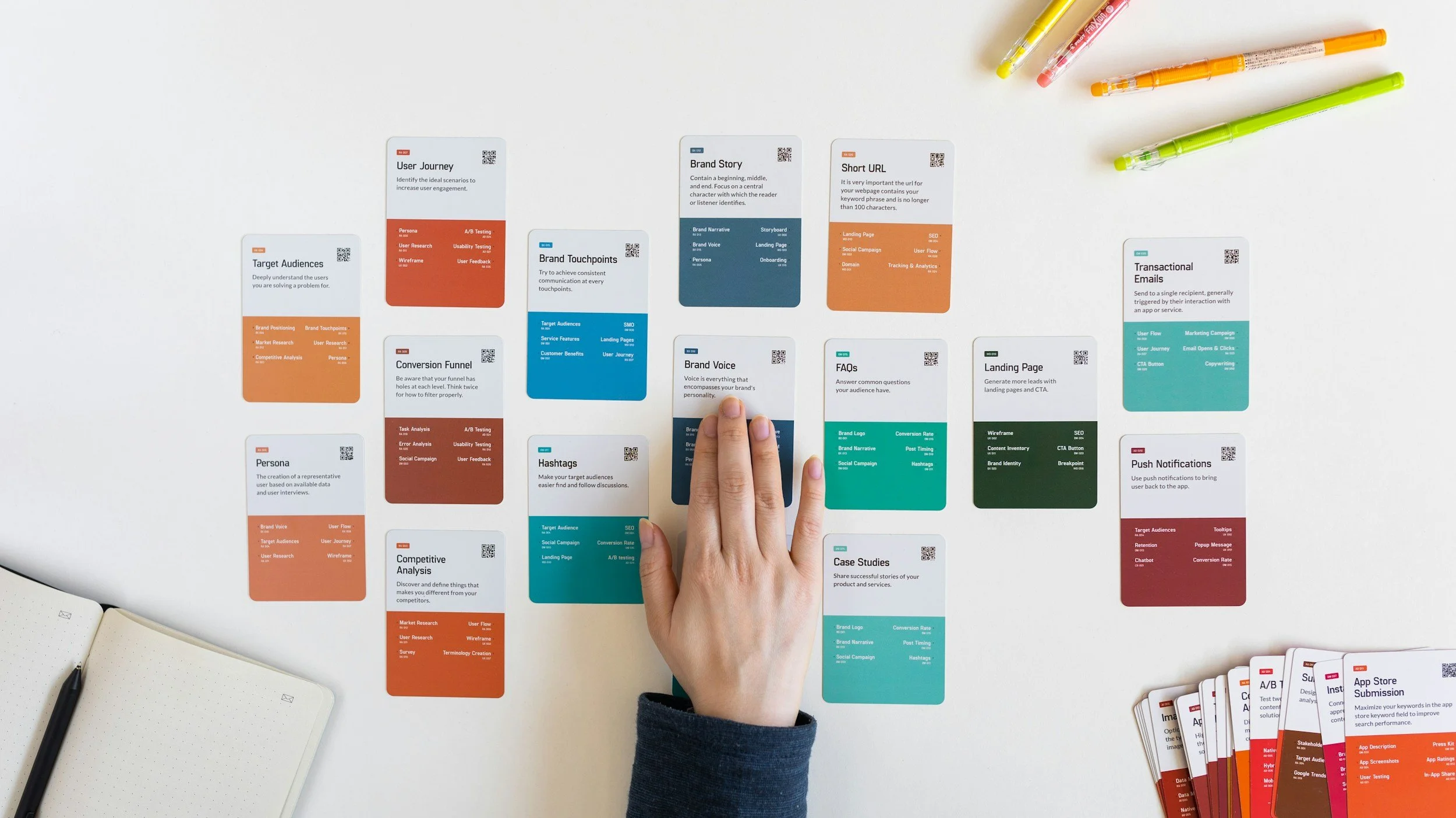
This is the illusion of closeness built through "the business of life." You feel connected because you just spent 45 minutes syncing calendars, discussing the nanny’s schedule, and planning a charity gala. However, this is functional connection, not emotional connection.
The Warning Sign: You only feel like a "team" when you are tackling a task. When the tasks are done, you have nothing to say to each other.
Parallel Living
This is the advanced stage of Administrative Intimacy. In Parallel Living, each partner has a completely separate world—separate hobbies, separate social circles, and separate internal emotional lives. You are two high-performing ships passing in the night.
The Warning Sign: You no longer feel "resentment" when they are gone; you feel relief. You have optimized your life so well that your partner is no longer a necessary part of your emotional ecosystem.
The Data: Why You Must Act Now
The stakes for high performers have never been higher. According to 2025 executive burnout surveys, 47% of healthcare and C-suite leaders report that their professional stress is actively destroying their personal relationships.
The Divorce Surge: Parallel living is often cited in "grey divorces" among high achievers. When the children leave the home (the "logistical glue"), the couple realizes they have no shared foundation.
Productivity Loss: Relationship strain is a silent killer of professional performance. High performers in unstable marriages show a 22% decline in decision-making speed due to cognitive load and emotional distraction.
How Logistics Strangle Love: The Impact
1. The "Parent-Child" Dynamic
When one partner handles the "administration" while the other relies on Weaponized Incompetence to avoid chores, the relationship shifts from peers to a supervisor-subordinate dynamic. This is a primary killer of sexual desire.
2. The "Leftover" Syndrome
High performers give their best energy, creativity, and patience to their boardrooms and patients. They return home with "emotional leftovers," using Administrative Intimacy as a way to "be present" without actually having to engage.
3. Stress Spillover
In 2025, the "always-on" nature of work means that even during dinner, high performers are mentally "solutioning" work problems. This prevents the brain from entering the Rest and Digest (parasympathetic) state required for genuine bonding.

Strategies to Reclaim Your Relationship
You cannot manage your way out of this; you must relate your way out.
At Home: Re-Humanizing the Household
The "Business Meeting" Boundary: Schedule a 20-minute "Logistics Sync" on Sunday nights. Outside of this window, administrative talk is banned. No discussing bills, schedules, or home repairs during dinner or in the bedroom.
The 10-Minute Decompression: Upon arriving home, do not immediately start talking about the day. Spend 10 minutes in physical proximity—sitting together or a long hug—without talking. This triggers Oxytocin and signals to the brain that the "threat" of the workday is over.
Intellectual Intimacy: High performers need mental stimulation. Instead of asking "How was your day?", ask: "What’s a problem you're thinking about right now that has nothing to do with work?"
At Work: Protecting the Home Front
Time Austerity: Treat your "Couple Time" like a non-negotiable Board Meeting. If you wouldn't cancel on a major investor, do not cancel on your partner.
Digital Sunset: Establish a time (e.g., 8:30 PM) where all work devices are placed in a central charging station.
How Therapy Bridges the Gap
Standard therapy often feels too slow for high performers. At Undefeated Healthcare, our therapists use specific, high-impact modalities:
The Gottman Method: A data-driven approach that focuses on building "Love Maps"—knowing the inner world of your partner as well as you know your business P&L.
Emotionally Focused Therapy (EFT): This focuses on breaking the "Parallel Living" cycle by identifying the underlying fears of vulnerability that cause high performers to hide behind logistics.
Integrative Behavioral Couple Therapy (IBCT): This modality focuses on Acceptance—helping high-achieving perfectionists stop trying to "fix" their partner like a broken process and start accepting them as a person.
Parallel living is the slow death of a marriage. Do not wait for a "Rupture" to seek help. Optimize your relationship with the same intensity you used to build your career.
